
I am currently a graduate student at the School of Mechanical and Electrical Engineering, University of Electronic Science and Technology of China. My research interests include maritime big data mining, maritime cybersecurity, and reliability engineering. I employ interdisciplinary approaches to address key challenges in autonomous shipping systems.
My ultimate goal is to develop robust technological solutions for next-generation intelligent and reliable autonomous shipping systems, contributing to a safer and smarter marine ecosystem. 🤗
🔥 News
- 2025.07: 🎉 A paper is accepted by Transportation Research Part E: Logistics and Transportation Review
- 2025.12: 🎉 A paper is accepted by Transportation Research Part E: Logistics and Transportation Review
- 2026.06: 🎉 A paper is accepted by Transport Policy
- 2026.09: 🎉 A paper is accepted by Ocean Engineering
- 2026.11: 🎉 A paper is accepted by Reliability Engineering & System Safety
- 2026.11: 🎉 A paper is accepted by Ocean Engineering
📝 Publications
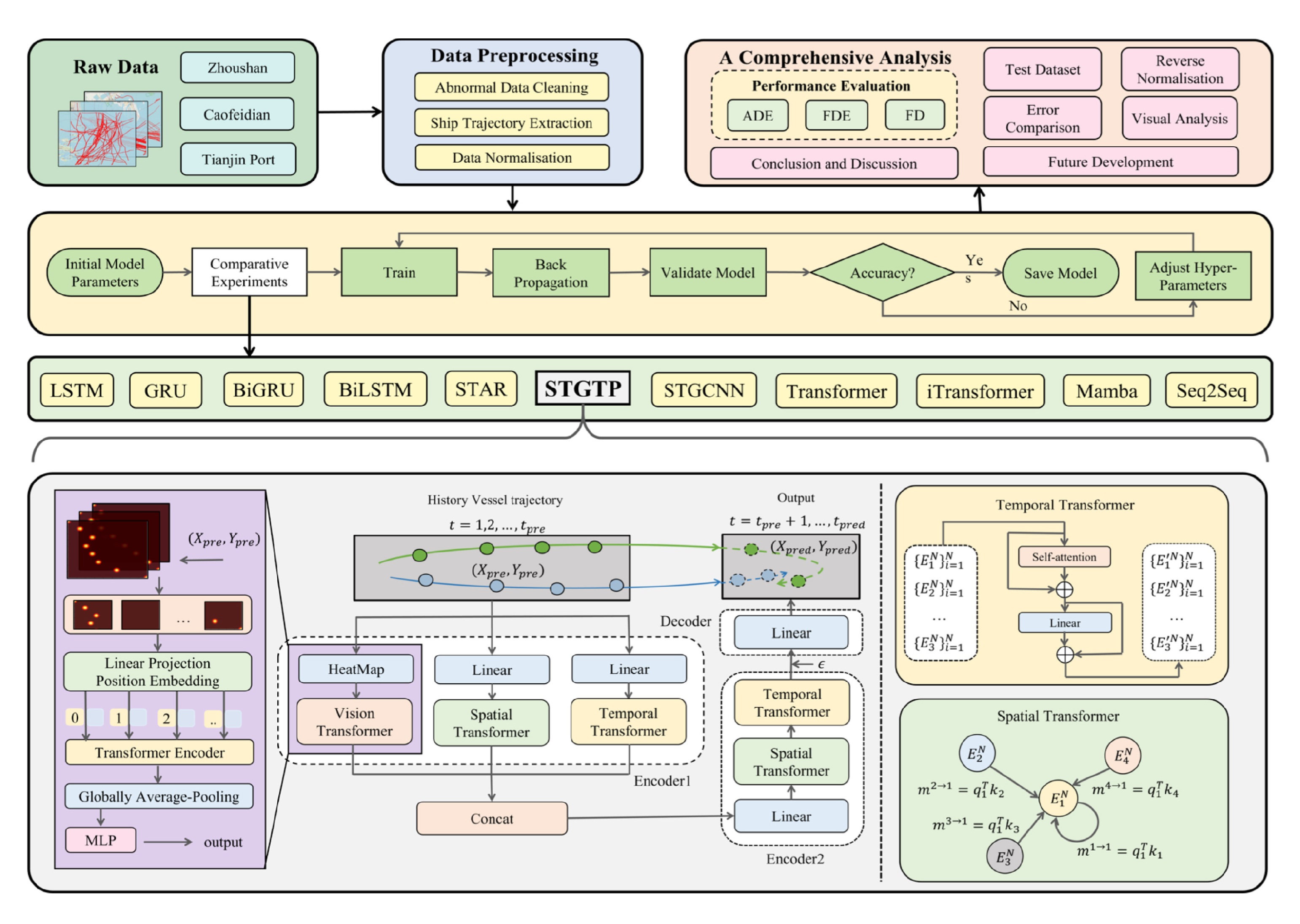
Uncertainty-aware ship trajectory prediction via Spatio-Temporal Graph Transformer
Jincheng Gong, Huanhuan Li, Hang Jiao, Zaili Yang
Project | 
- Introduced a novel ship trajectory prediction benchmark for Maritime Autonomous Surface Ships (MASS).
- Developed an advanced trajectory prediction algorithm that integrates spatio-temporal and probabilistic modelling.
- Pioneered an uncertainty-aware feature modelling approach to improve prediction reliability and interpretability.
- Validated the model’s performance across three benchmark datasets using three key evaluation metrics.
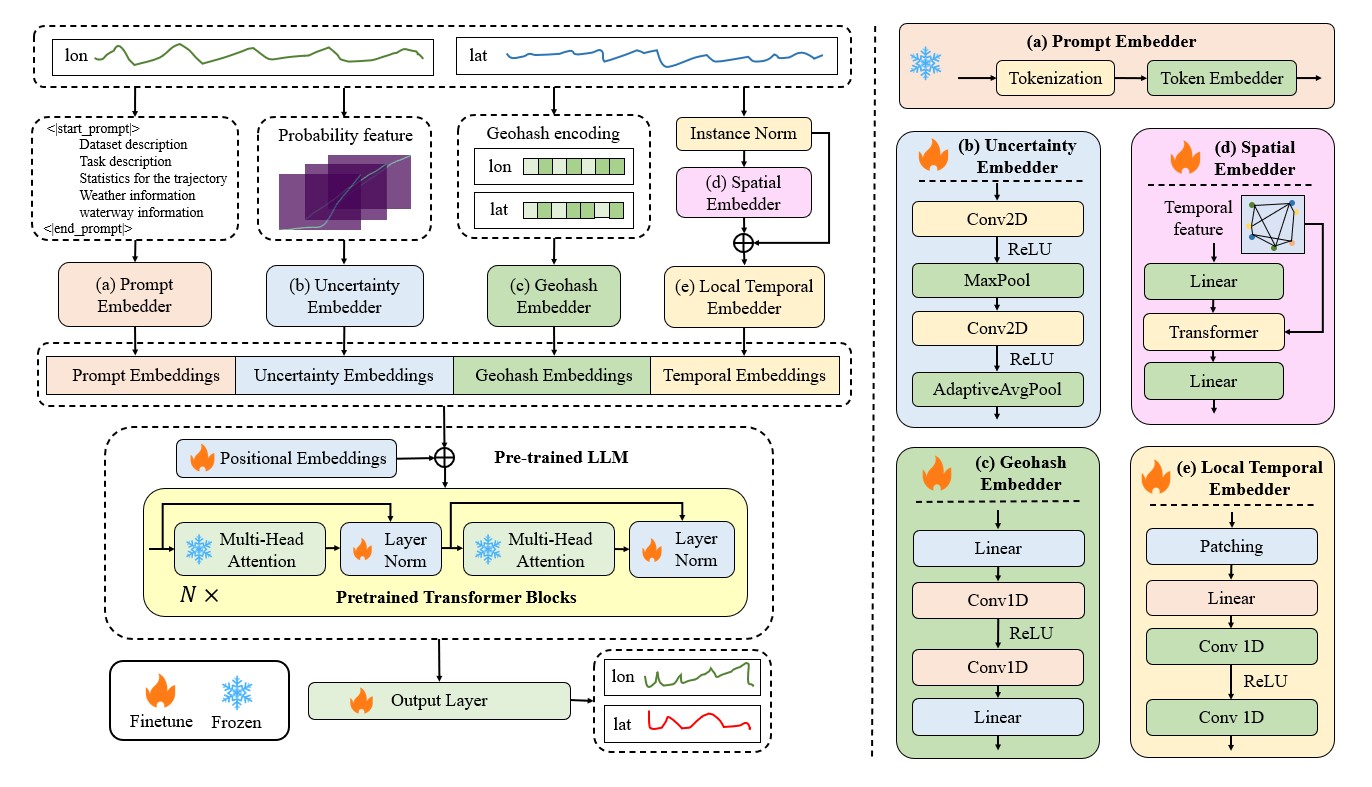
LLM4STP: A large language model-driven multi-feature fusion method for ship trajectory prediction
Hang Jiao, Jincheng Gong, Huanhuan Li, Jasmine Siu Lee Lam, Yaqing Shu, Jin Wang, Zaili Yang
Project | 
- Propose LLM4STP, a novel multi-feature fusion method integrating LLMs and maritime knowledge for improved ship trajectory prediction.
- Introduce an adaptive graph-masked Transformer for dynamic ship interaction modelling, capturing complex spatial relationships.
- Combine local convolution and global LLM inference for effective multi-scale temporal modelling.
- Establish a system for trajectory uncertainty quantification using 2D Gaussian heatmaps and Geohash-based encoding.
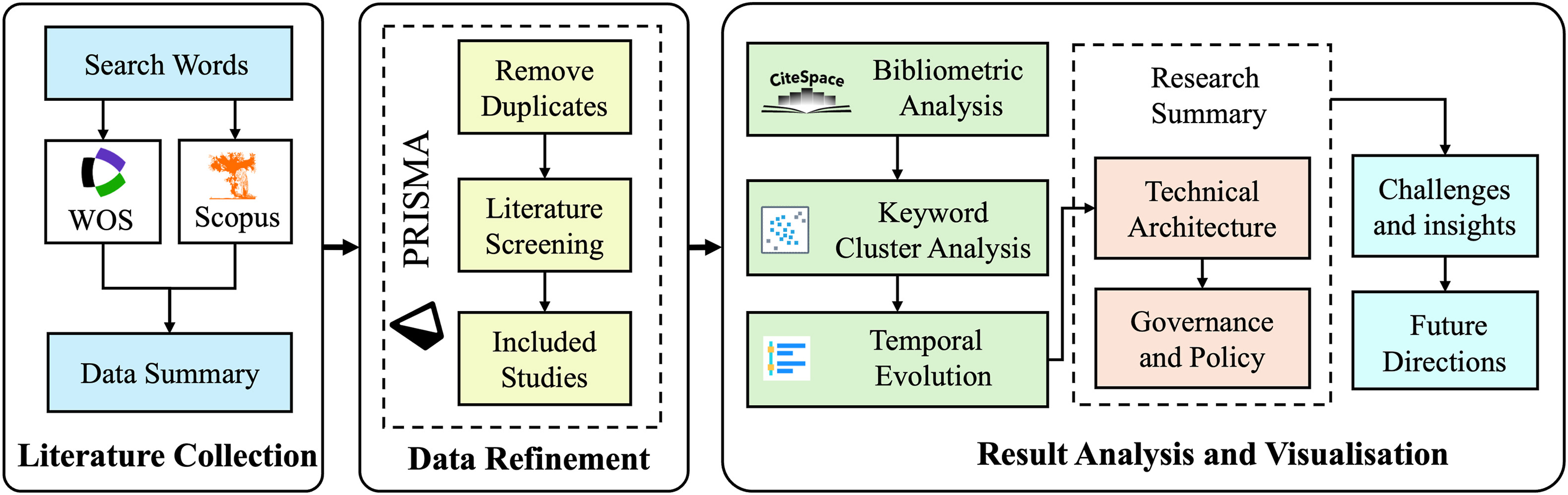
Cybersecurity in smart port systems: A systematic review and data-driven research agenda
Yunfeng Zhao, Jincheng Gong, Huanhuan Li, Trung Thanh Nguyen, Christian Matthews, Zaili Yang
- Examines attack scenarios, technologies, and policy evolution in smart port cybersecurity.
- Reviews smart port cybersecurity literature to identify key research clusters and emerging themes.
- Utilises empirical data from the Maritime Cyber Attack Database (MCAD) to construct a global cyber-attack map.
- Identifies six research challenges, including CPS vulnerabilities, human factors, and AI-related threats.
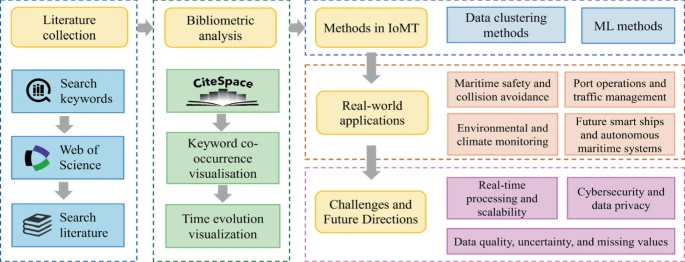
Data Clustering and Machine Learning in the Internet of Marine Things
Huanhuan Li, Jincheng Gong, Zaili Yang
- This chapter reviews IoMT data clustering and ML methods with CiteSpace-based mapping of research trends.
- It showcases these methods in maritime safety, routing, port operations, and environmental monitoring via case studies.
- Key challenges addressed include data quality, scalability, and cybersecurity.
- Future directions focus on AI, digital twins, LLMs, and multimodal Transformers for autonomous maritime systems.
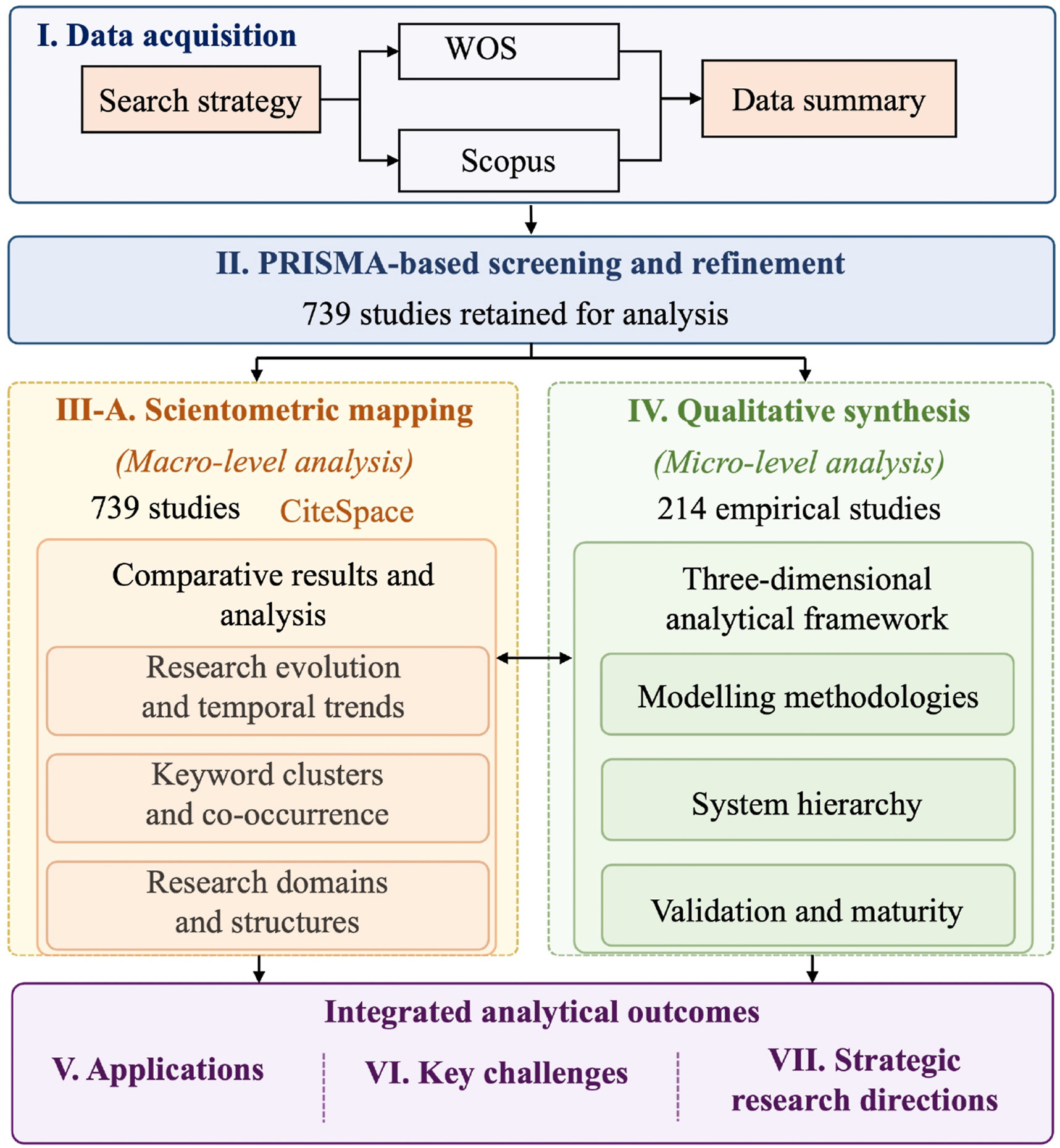
Applications of ship digital twins in maritime transport: A systematic review
Huanhuan Li, Jincheng Gong, Alan J. Murphy, Zaili Yang
- Develops a two-stage analytical framework for ship digital twin research.
- Maps the evolution of ship digital twins through scientometric analysis.
- Evaluates ship digital twin studies from modelling, system, and validation perspectives.
- Clarifies the distinction between digital shadows and bidirectional digital twins.
- Identifies deployment challenges and future directions for ship digital twins.
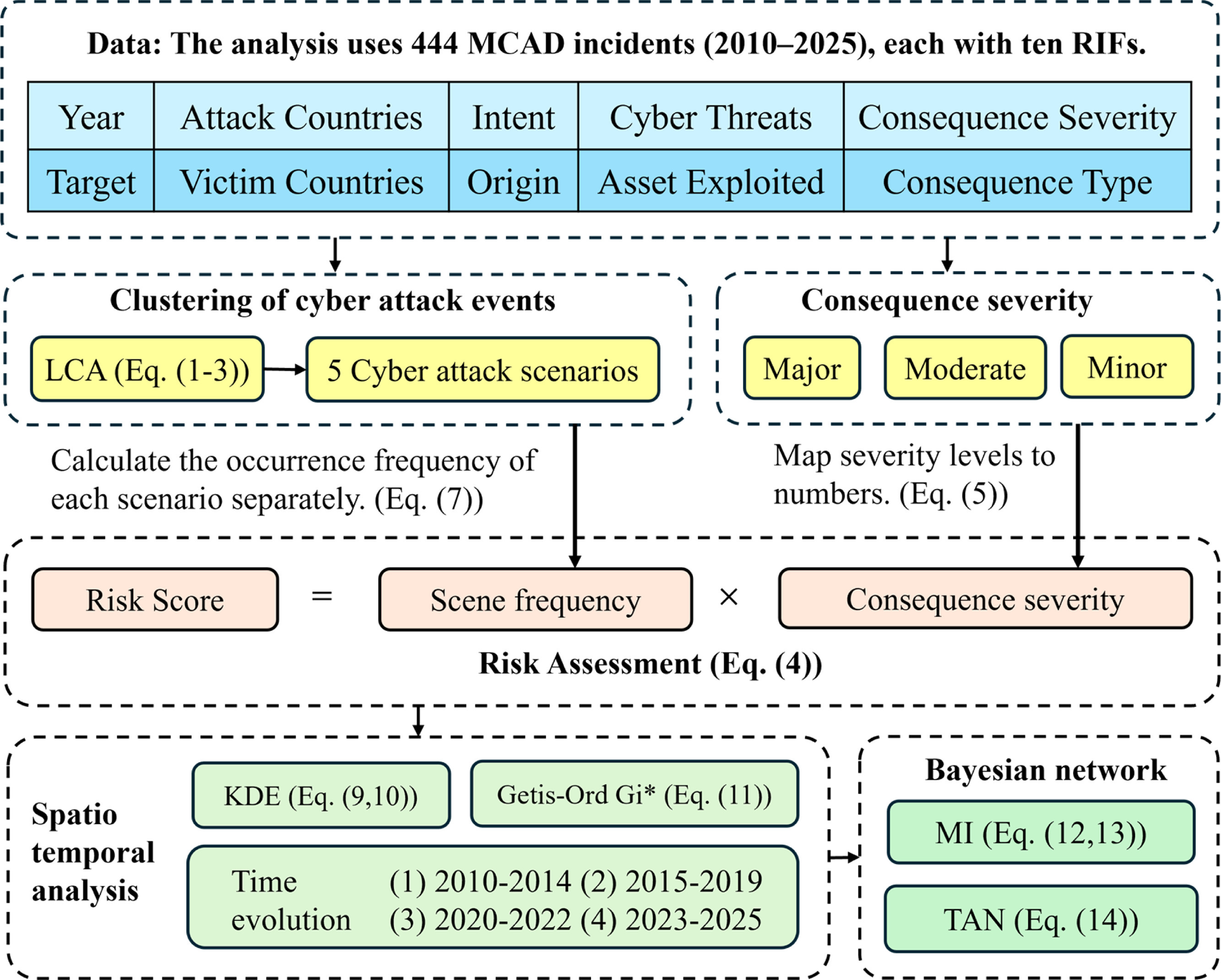
MC-QRA: Quantitative Spatiotemporal Risk Assessment and Probabilistic Dependency Analysis of Maritime Cyber Attacks
Jincheng Gong, Yunfeng Zhao, Huanhuan Li, Zaili Yang
- A quantitative framework integrates scenario-based and spatiotemporal maritime cyber risk assessment.
- Empirical cyber incident records support interpretable risk classification and quantification.
- High-risk attack scenarios and spatiotemporal patterns of cyber incidents are identified.
- Bayesian modelling captures dependencies among risk-influencing factors.
- Dependency-aware inference supports the assessment of high-risk maritime cyber scenarios.
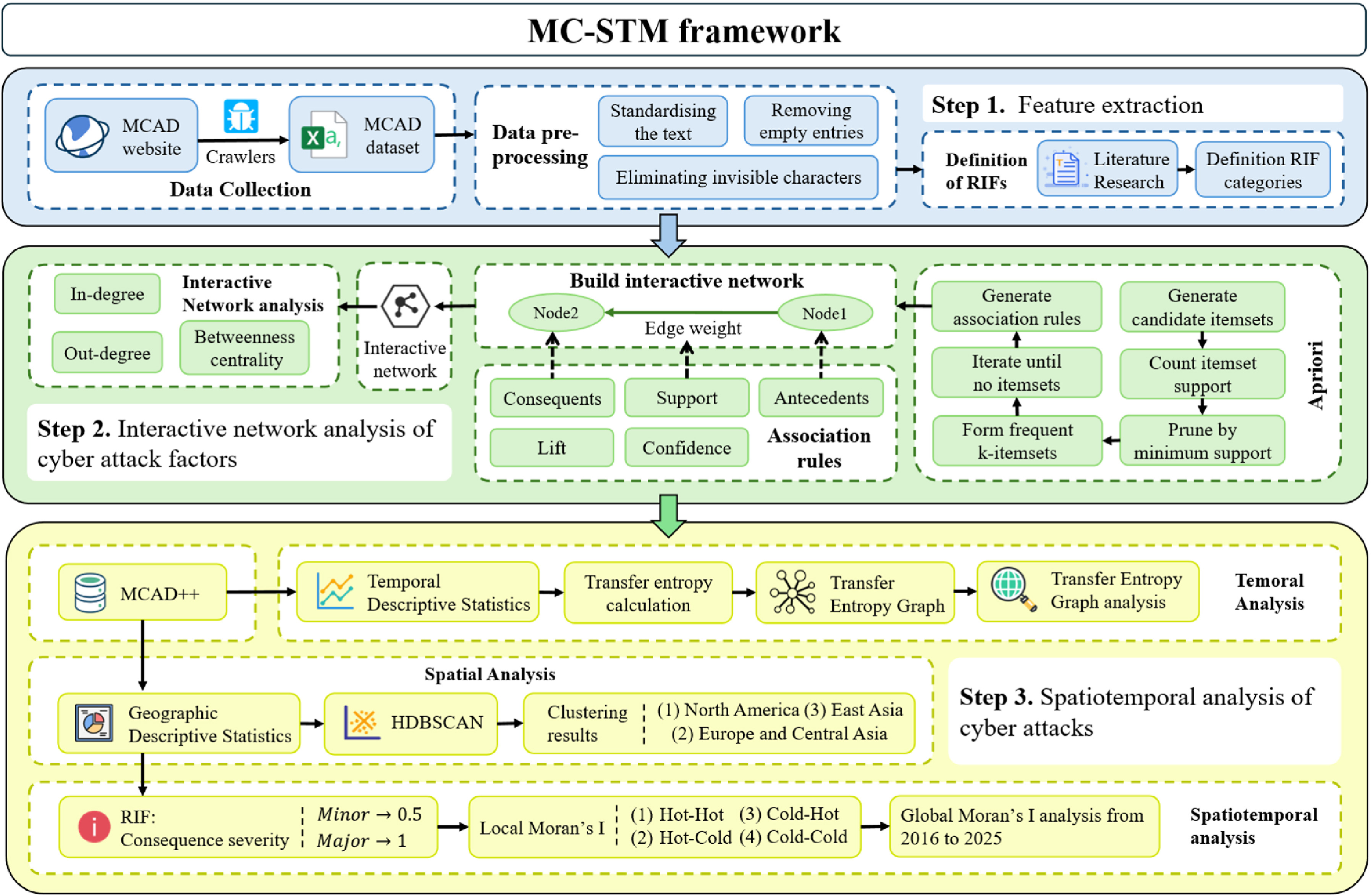
A data-driven framework for spatiotemporal pattern mining of cyber incidents in digital maritime transport systems
Huanhuan Li, Jincheng Gong, Yunfeng Zhao, Zaili Yang
- Developed a data-driven framework for spatiotemporal maritime cyber risk analysis.
- Constructed MCAD++ to enable structured analysis of maritime cyber incidents.
- Examined cyber threat associations and temporal relationships using association rules and transfer entropy.
- Explored spatial patterns of maritime cyber incidents using HDBSCAN and Moran’s I.
📖 Educations
- 2022.09 - 2026.06, Bachelor, Wuhan University of Technology, Wuhan.
- 2026.09 - 2029.06, Master, University of Electronic Science and Technology of China, Chengdu.